Uncovering How Real-Time Data Analytics Shape Progressive Jackpot Allocations Across Regulated Nordic Mobile Platforms
Skriven av Blake Russell · 2026-11-04
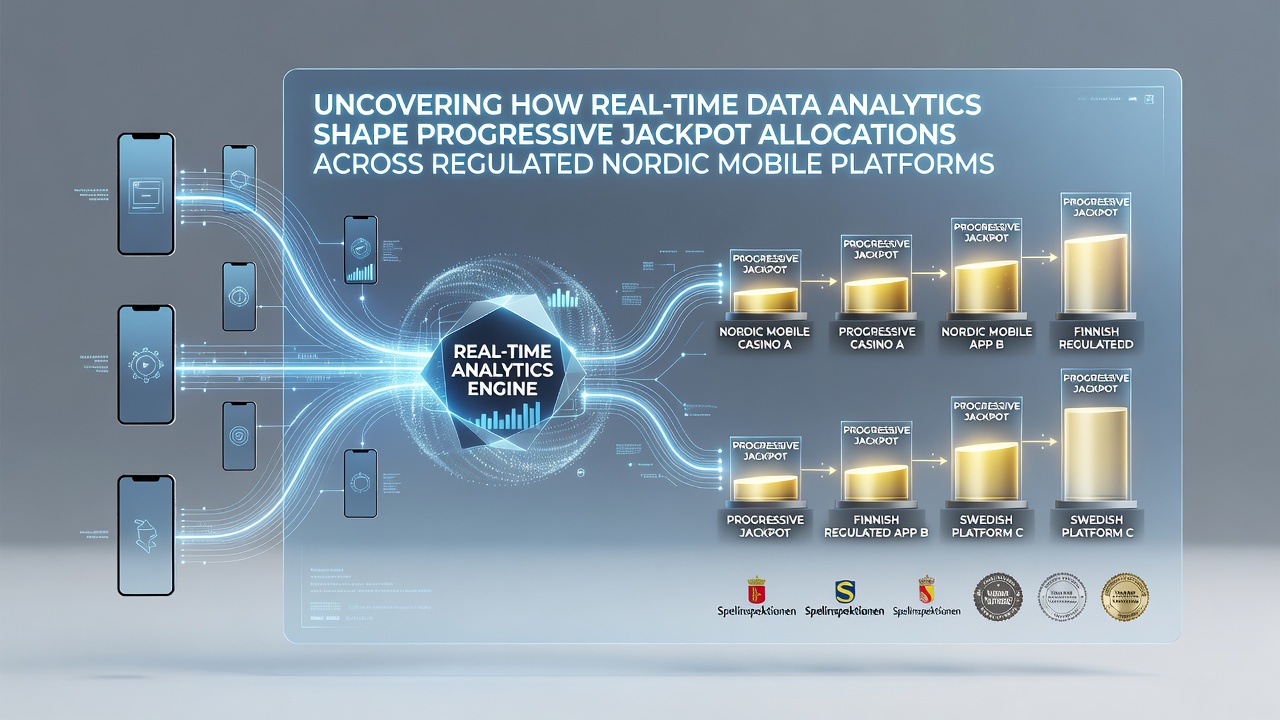
Uncovering How Real-Time Data Analytics Shape Progressive Jackpot Allocations Across Regulated Nordic Mobile Platforms
Regulated Nordic mobile platforms rely on continuous streams of player activity data to adjust progressive jackpot pools, and operators in Sweden, Norway, Denmark, and Finland integrate these feeds directly into allocation engines that recalculate contributions every few seconds. Systems pull metrics such as bet frequency, session duration, and game selection from thousands of simultaneous mobile connections, then apply algorithms that distribute portions of each wager into local, regional, or network-wide jackpots while maintaining compliance with licensing conditions set by national authorities.
Mechanics Behind Progressive Jackpot Growth
Progressive jackpots accumulate through fixed percentages taken from qualifying bets, yet real-time analytics refine those percentages dynamically based on current pool sizes and player distribution patterns across devices. When a platform detects a surge in mobile users during evening hours, the allocation model may shift a larger share toward network jackpots that attract cross-border participation, and this adjustment occurs without manual intervention because the underlying software monitors regulatory caps on contribution rates at all times.
Data Inputs That Drive Decisions
Operators collect anonymized location signals, device types, and game volatility indicators to forecast how quickly a jackpot might trigger, and these forecasts feed into allocation rules that balance growth rates against player retention targets. Research from the Danish Gambling Authority shows that platforms processing over 50,000 mobile sessions per hour adjust seed values for secondary jackpots up to four times daily when analytics flag imbalances in regional participation.
November 2026 marks the scheduled rollout of updated data-sharing protocols among Nordic regulators, which will require platforms to report allocation changes in standardized formats every fifteen minutes during peak traffic periods. This requirement stems from joint technical working groups that examined discrepancies in jackpot transparency reports filed between 2023 and 2025.
Allocation Algorithms in Practice
Allocation engines employ machine-learning models trained on historical payout sequences to determine how much of each bet should feed into specific jackpot tiers, and the models recalibrate weights when mobile traffic patterns deviate from established baselines. In one documented implementation, a Swedish-licensed operator reduced contributions to a local jackpot by 0.3 percent after analytics indicated that 68 percent of recent mobile bets originated from users already engaged with network-wide pools.

Norwegian platforms follow similar logic but incorporate additional variables tied to age-verification timestamps and responsible-gaming flags, and these variables influence whether a player’s wager contributes to higher-tier jackpots or remains within lower-stakes pools. Figures released by the Norwegian Lottery Authority reveal that real-time filtering reduced ineligible contributions by 12 percent in the first quarter of 2025 compared with static allocation methods used previously.
Regulatory Oversight and Technical Standards
National licensing bodies mandate that allocation algorithms undergo third-party audits at least annually, and auditors verify that real-time adjustments stay within predefined contribution bands while preserving the randomness of jackpot triggers. Platforms must maintain audit logs that capture every parameter change, including the exact data point that prompted an allocation shift, and these logs become available for regulatory review within 24 hours of any modification.
Industry reports from the European Gaming and Betting Association indicate that Nordic operators now allocate between 1.2 and 2.8 percent of qualifying mobile bets to progressive pools when analytics detect elevated jackpot-trigger probabilities, and the precise rate adjusts automatically to prevent pools from exceeding maximum seed thresholds set by license conditions.
Cross-Platform Data Integration
Many Nordic operators participate in shared jackpot networks that span multiple licensed entities, and real-time analytics synchronize contribution flows across these networks by monitoring aggregate bet volumes and player migration between platforms. When analytics detect that one network segment is approaching a payout threshold faster than others, the system may temporarily increase contributions from segments showing slower growth to maintain balanced pool expansion.
Academic studies published by the University of Helsinki’s Centre for Gambling Research have examined synchronization delays in multi-operator environments and found that sub-second data pipelines reduced variance in jackpot growth rates by 19 percent during high-traffic weekends in 2024.
Conclusion
Real-time data analytics now form the core infrastructure that determines how progressive jackpots receive funding on regulated Nordic mobile platforms, and the combination of continuous monitoring, regulatory reporting requirements, and cross-border network synchronization produces allocation patterns that evolve throughout each day. Platforms continue to refine these systems in preparation for the November 2026 protocol updates, which will further standardize the data fields operators must transmit to oversight bodies.