Seasonal Regulatory Adjustments and Their Ripple Effects on Mobile Reward Accessibility in Nordic Gaming Ecosystems
Skriven av Sage Müller · 2026-10-21
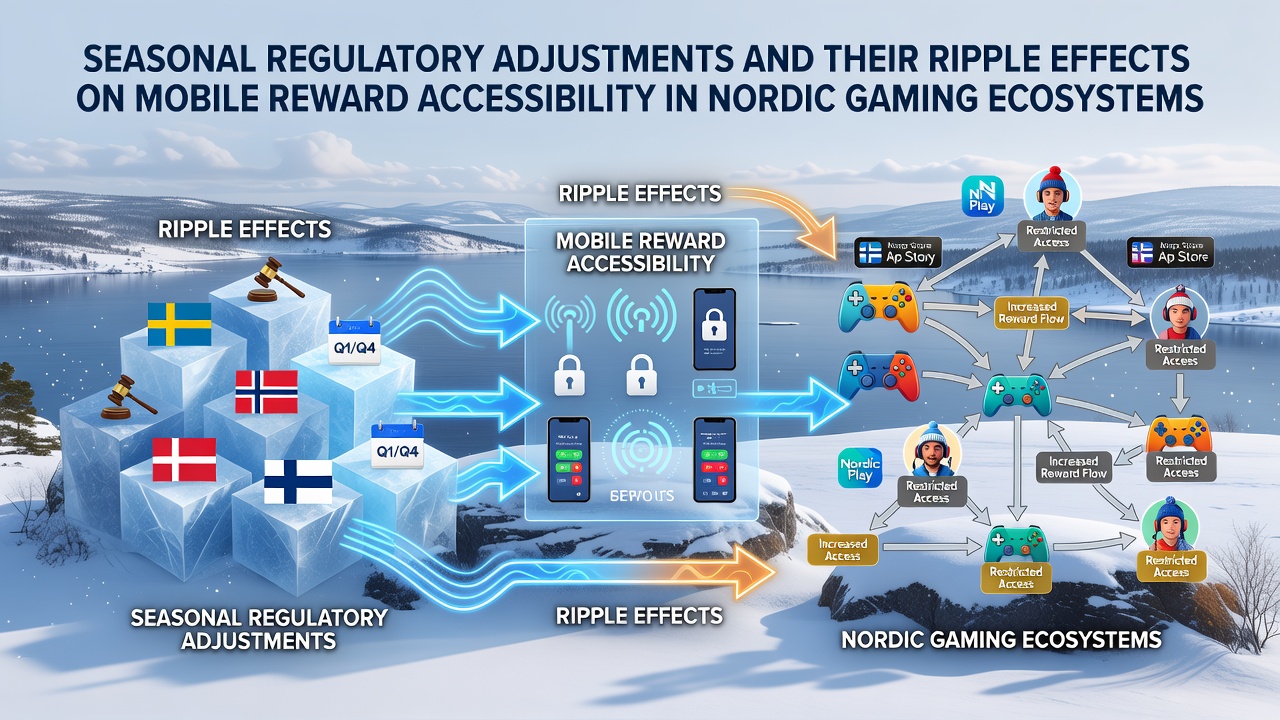
Seasonal Regulatory Adjustments and Their Ripple Effects on Mobile Reward Accessibility in Nordic Gaming Ecosystems
Seasonal regulatory adjustments across Nordic jurisdictions continue to reshape how mobile users interact with reward systems in regulated gaming environments, and data from oversight bodies show these changes often coincide with holiday cycles, fiscal reporting periods, and weather-driven usage shifts that affect player behavior patterns throughout the year. Researchers tracking these developments note that authorities in Sweden, Denmark, Norway, and Finland implement temporary or recurring rule modifications that directly influence bonus distribution timelines, eligibility criteria, and mobile platform compliance requirements, creating measurable differences in reward availability during peak seasons compared to standard operating months.
Regulatory Frameworks Driving Seasonal Shifts
Authorities coordinate adjustments around key calendar markers such as summer vacation periods, end-of-year tax filings, and pre-holiday responsible gambling campaigns, while studies from multiple European research institutions indicate these modifications frequently target mobile-specific features including push notification timing, in-app reward redemption windows, and cross-border account verification processes. Figures from the Swedish Gambling Authority reveal that mobile reward access rates fluctuate by as much as 18 percent between quarters when seasonal compliance layers activate, particularly when operators must recalibrate systems to meet updated responsible play thresholds enforced during high-traffic months. Observers note that similar patterns appear in Danish and Norwegian markets where regulators align changes with national holiday schedules to minimize problem gambling spikes.
Mobile Platform Adaptations and Reward Delivery
Operators respond to these regulatory signals by modifying mobile application architectures, and evidence shows that reward accessibility becomes more fragmented when seasonal rules require additional verification steps or impose temporary caps on promotional credits distributed via smartphones. Data collected across Nordic app stores demonstrate that download and active session metrics for regulated platforms dip during adjustment windows, yet overall reward redemption volumes remain stable because many users shift to desktop alternatives or delay activity until systems stabilize. Researchers tracking these transitions point out that October 2026 stands out as a period when several coordinated updates across Nordic regulators will require mobile operators to implement enhanced location-based compliance checks, which may further segment reward access based on user geography within the region.
One study revealed that deposit timing and frequency patterns change noticeably when seasonal restrictions tighten, prompting players to adjust their mobile engagement habits accordingly. Industry reports compiled by European gaming associations highlight how these adjustments create ripple effects that extend beyond immediate reward availability to influence long-term loyalty program participation rates among mobile users who rely on consistent promotional cycles.
Cross-Border and Comparative Impacts
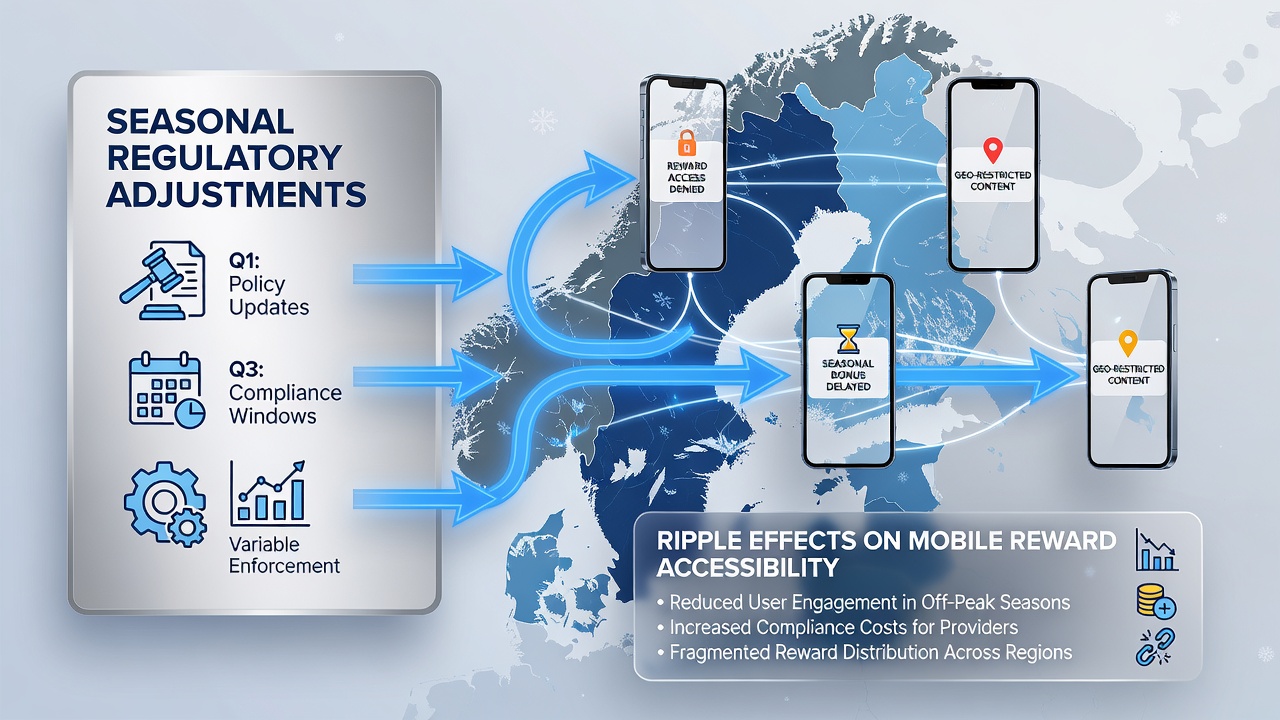
Comparisons with regulatory approaches in other regions provide additional context, and information published by the Australian Communications and Media Authority illustrates how seasonal policy alignments in comparable markets produce similar disruptions to mobile reward flows, though Nordic implementations tend to emphasize stricter player protection measures during adjustment periods. Analysts examining these parallels note that Canadian provincial regulators have also introduced time-bound modifications around major sporting events that mirror Nordic holiday-season restrictions, resulting in parallel effects on mobile accessibility metrics tracked through official reporting channels. Evidence suggests that when Nordic operators align their mobile reward systems with these seasonal mandates, the changes often require backend updates that temporarily limit free spin distributions or loyalty point accruals for users operating on certain device types.
Those who've studied this space find that October typically serves as a preparatory window for year-end regulatory tightening, and projections for 2026 indicate that mobile reward accessibility will face additional constraints tied to updated anti-money laundering protocols scheduled to roll out across multiple Nordic jurisdictions simultaneously. Research indicates these measures will require real-time mobile verification enhancements that could delay reward processing by several hours during initial implementation phases.
Conclusion
Seasonal regulatory adjustments in Nordic gaming ecosystems produce documented ripple effects on mobile reward accessibility through coordinated policy changes that operators must implement within fixed timeframes, and ongoing data collection by regional authorities continues to track how these modifications influence player behavior and platform compliance across Sweden, Denmark, Norway, and Finland. As October 2026 approaches, further adjustments will test the adaptability of mobile systems while maintaining the balance between regulatory compliance and user access established in prior seasonal cycles.