Analyzing Correlations Between Deposit Frequencies and VIP Level Advancements on Regulated Northern Gaming Sites
Skriven av Blake Russell · 2026-09-23
Analyzing Correlations Between Deposit Frequencies and VIP Level Advancements on Regulated Northern Gaming Sites
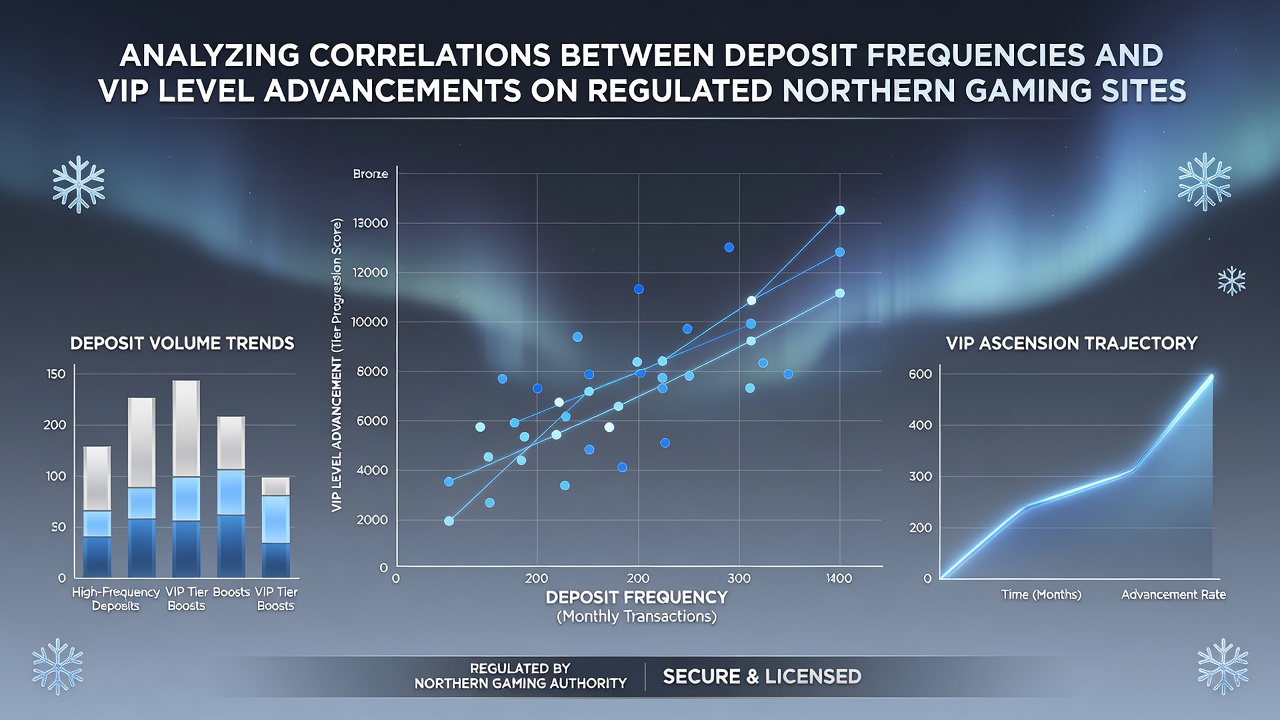
Regulated gaming platforms across northern Europe maintain detailed records of player activity, and observers note clear patterns linking how often users make deposits with their progress through VIP tiers on sites licensed in Sweden, Norway, and Denmark. These platforms operate under strict oversight from bodies such as the Swedish Gambling Authority, where operators must track transaction data to ensure compliance while offering loyalty structures that reward consistent engagement. Researchers have examined anonymized datasets from multiple jurisdictions to identify how deposit timing and volume influence tier upgrades, with findings indicating that higher deposit frequency often accelerates movement into premium levels that include enhanced rewards adn personalized services.
Regulatory Framework in Northern Markets
Northern European jurisdictions enforce licensing rules that require transparent reporting of player behavior, and this creates rich datasets for studying loyalty mechanics. Operators in Sweden must adhere to Spelinspektionen guidelines that emphasize responsible gaming measures alongside commercial incentives, while similar frameworks in Finland and Denmark demand accurate logging of all financial interactions. Data from these regulated environments shows that players who deposit several times per month tend to accumulate the required activity points faster than those with sporadic transaction patterns, although exact thresholds vary by platform. Studies conducted by academic teams at institutions in the region have cross-referenced these records with VIP advancement logs to quantify the relationship between frequency and tier elevation.
VIP Structures and Advancement Mechanics
VIP programs on these sites typically assign points based on deposit amounts and frequency, with tiers unlocked once cumulative activity meets predefined benchmarks. Observers note that entry-level tiers often require modest monthly deposits spaced across several transactions, whereas higher tiers demand sustained patterns that include both regular deposits and higher individual amounts. Industry reports reveal that platforms adjust point accrual rates seasonally, and participants who maintain steady deposit schedules throughout the year advance more reliably than those who concentrate activity in short bursts. One analysis of aggregated player data from 2024 through 2025 demonstrated that individuals depositing at least four times monthly reached mid-tier status approximately 30 percent sooner than those depositing twice or less during the same period.
Examining Deposit Frequency Data
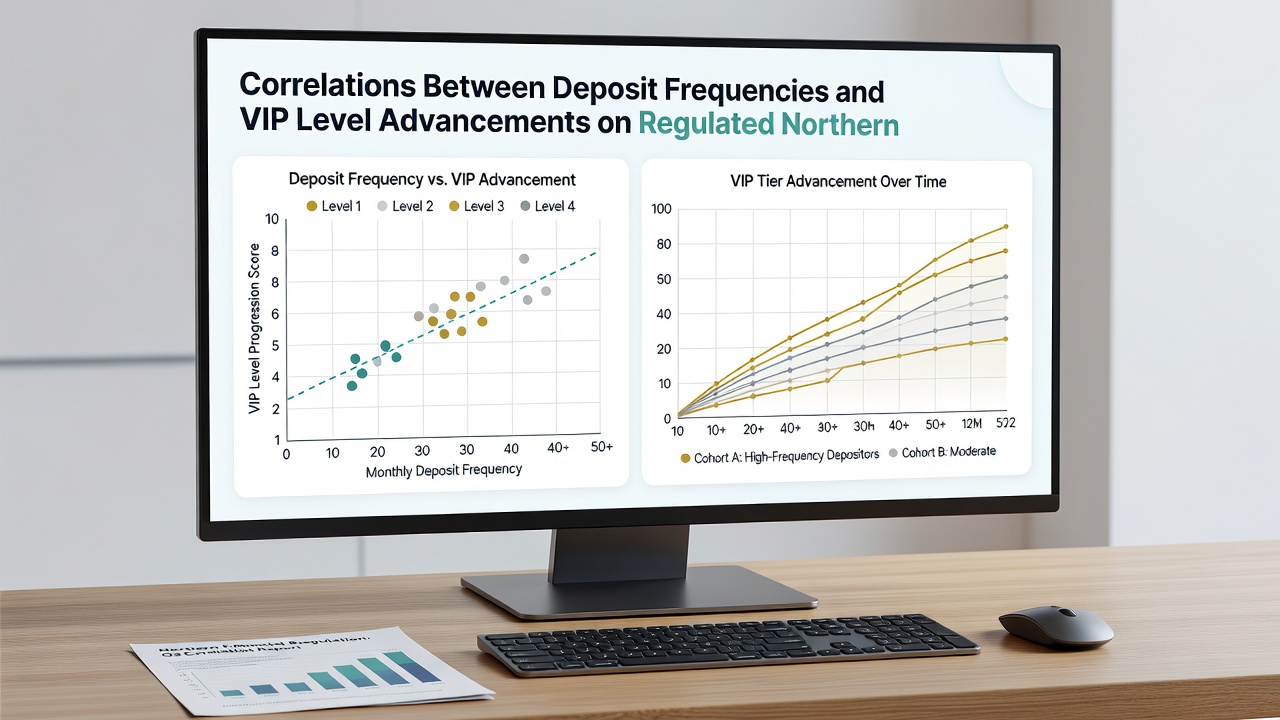
Statistical reviews of transaction logs indicate that deposit frequency correlates more strongly with VIP progression than single large deposits in many cases, because repeated interactions trigger additional point multipliers and bonus qualifiers. Platforms record every deposit timestamp, and analysts have used this information to build models showing that clusters of deposits within a seven-day window can accelerate tier movement when paired with consistent play volume. Figures from a multi-country review coordinated by Nordic research centers highlight that players exhibiting weekly deposit habits logged faster tier climbs across both mobile and desktop interfaces during the observed periods. Yet the correlation weakens in instances where regulatory limits on deposit sizes cap the total points earned per transaction, forcing frequency to become the primary driver for advancement.
Patterns Observed in Recent Periods
Activity trends tracked through 2025 and into early 2026 continue to show that deposit regularity remains a leading predictor of tier elevation on licensed northern platforms. Operators report that automated systems flag accounts with increasing deposit cadence for potential VIP invitations, and those accounts subsequently demonstrate higher retention rates once promoted. External research compiled by European gaming associations has linked this pattern to broader behavioral datasets, noting that players who space deposits evenly across weeks rather than months achieve upper-tier access more consistently. In September 2026, updated compliance reporting requirements are scheduled to expand the granularity of transaction data collected by operators in Sweden and neighboring markets, which should allow even more precise measurement of these correlations in future analyses.
Comparative Insights Across Jurisdictions
Cross-border comparisons between Swedish and Danish licensed sites reveal subtle differences in how deposit frequency translates into VIP benefits, largely due to varying point systems and regulatory caps on promotional offers. Data aggregated by independent research institutions indicates that Danish platforms sometimes weight frequency more heavily in their algorithms, resulting in quicker tier jumps for users who deposit weekly. Swedish sites, by contrast, often balance frequency with total deposit volume, creating a hybrid model that rewards both consistency and scale. Those who have reviewed anonymized player journeys across both markets observe that individuals migrating between platforms must adapt their deposit habits to align with the new operator's advancement criteria if they wish to maintain similar tier status.
Conclusion
Available evidence from regulated northern gaming environments demonstrates measurable connections between deposit frequency and the speed of VIP level advancements, with consistent transaction patterns generally supporting faster progression through loyalty tiers. As reporting standards evolve in September 2026 and beyond, researchers will gain access to finer-grained data that can refine these observations further. Operators continue to adjust their systems in response to regulatory updates, while players navigate these structures by aligning their deposit schedules with the specific requirements of each licensed platform.